Across Canada, CPR instructors have watched their classrooms shift from guesswork to measurable performance. The difference is not only in better plastics or more realistic lungs. The change arrived through sensors, Bluetooth, and software that can turn a group of learners into a set of individual metrics. When used well, those numbers translate to stronger compressions, fewer shallow ventilations, and graduates who respond faster and with more confidence in a real emergency.
I have taught in school gyms in the Maritimes, mining camps north of Sudbury, and community centers in Vancouver. The realities vary. Sometimes the challenge is getting learners to push hard enough on a cold morning when the chest feels like concrete. Sometimes the issue is balancing class time when one person needs more coaching on recoil while another is ready to run full scenarios with an AED trainer. Modern CPR training manikins give instructors levers to manage those differences without losing the human touch that quality training requires.
What modern feedback looks like
The new generation of CPR training manikins Canada suppliers carry are, at heart, force and position sensors wrapped in a body that can take abuse. Every manufacturer describes the same core metrics using slightly different labels, and most serious options track these fundamentals:
Compression depth. Most systems target 50 to 60 mm for adult CPR, with a tolerance window. Good manikins show live feedback as a colored bar or numeric depth so a learner can self-correct on the fly rather than waiting for an instructor to intervene.
Compression rate. A metronome is helpful, but a rate display that averages over several compressions prevents gaming the system. The sweet spot for adults sits around 100 to 120 compressions per minute. Leaning on the upper limit is common under stress, so real-time prompts help rein in speed without sacrificing depth.
Full recoil. Learners often think they are coming fully off the chest. Half the time they are not. Sensors that detect residual leaning expose this quickly, and the difference is obvious when they switch from partial to full recoil. In my own classes, once a student sees the recoil percentage jump from 70 to 95, the Aha moment arrives and the rhythm smooths out.
Hand placement. Some manikins use capacitive sensors or pressure maps to grade hand position. This https://kylerogwg654.lowescouponn.com/cpr-supply-delivery-in-canada-how-to-streamline-your-quarterly-restock matters less than depth and recoil in a pinch, but it keeps learners from drifting onto ribs, especially on small-framed adult manikins.
Ventilation volume and rate. Where bag-valve-mask practice is part of the curriculum, a flow sensor offers a clear view of over-ventilation, a common error. Even with barrier mask training, a green zone on volume builds muscle memory for gentle, effective breaths.
Some units add chest rise indicators, carotid pulse simulators, or airway control with jaw thrust. Those bells and whistles make sense for advanced courses or instructor refreshers, but for standard CPR and first aid classes the essentials above move performance the most.
Apps that earn their keep
The biggest change over the last five to seven years has been reliable Bluetooth connections and companion apps that do more than mirror a manikin’s lights. In a decent app, you can see every student’s compression depth average, rate line, recoil percentage, and total hands-on time across a session. The better ones support multiple manikins on a single tablet, so you can run six to ten learners in parallel and focus coaching time where it counts.
Audio cues help. Haptic prompts can guide rate without adding screen distraction. The trick is to use prompts early, then wean students off guidance so they can perform to standard without the app holding their hand. In Canada, many instructor teams work bilingually. Look for apps that toggle between English and French in a single tap, and verify that voice prompts are localized, not just translated text on screen. It sounds minor, but hearing taux de compression with the same timing as compression rate reduces cognitive friction for francophone learners.
App reliability matters during large sessions. I have watched an overtaxed Wi‑Fi network create lag in a busy gym. Good systems bond directly to the tablet or phone via Bluetooth and do not depend on venue Wi‑Fi during a live class. Sync to the cloud should be optional, after class. When apps use QR codes or quick pairing for each manikin, setup shrinks to minutes. That is the difference between starting class on time and losing fifteen minutes to pairing screens while a dozen students wait.
Data tracking without drowning in data
Data can clarify or confuse. The aim is to collect just enough to coach in the moment, then document that a learner met standard. For many community courses, a session summary with compression depth average, rate compliance percentage, recoil percentage, and pass or needs improvement flags is plenty. In corporate settings, especially where emergency response teams drill quarterly, a trend line over three or four sessions shows whether skills are holding or slipping.
When choosing systems that log data, Canadian organizations have two extra considerations. First, privacy compliance. Personal information collected during training falls under PIPEDA for private sector organizations across most provinces, and under PHIPA for health information custodians in Ontario. Class performance data is not clinical health data, but it can still be personal information if it identifies an individual. If a vendor stores names, emails, or employee IDs alongside performance, your privacy office will want to see data flows, retention periods, and storage locations. Many Canadian institutions prefer vendors that offer data residency in Canada or at least clear statements about storage region and encryption at rest and in transit.

Second, integration with existing learning management systems. A lot of Canadian employers and colleges already track compliance training through an LMS. Export to CSV is the bare minimum. SCORM or xAPI support helps automate record keeping, but test it first. I have seen clean exports fall apart when a learner’s name includes accented characters or when a course has mixed adult and infant manikins in one session.
A practical compromise: store detailed performance locally for coaching, export pass or fail with dates and module type to the LMS, and purge detailed metrics after a set period unless there is a defined need for long-term analytics.
Where AED training equipment fits
Pairing CPR manikins with AED trainers turns isolated compression practice into functional scenarios. In Canada, public access defibrillation programs are expanding, and provincial rules around AED placement on worksites and in public buildings are tightening in several jurisdictions. That means learners are more likely to encounter real devices in the wild. AED training equipment Canada distributors provide runs the gamut from generic trainers that mimic prompts to brand-specific units that match the timing and pad placement of common public models.
The connection between AED trainers and manikin feedback is less technical than procedural. You want learners to keep compressions going while a second rescuer prepares the AED, to minimize pre-shock pause, and to resume compressions immediately after a shock. If your manikins can log no-flow time, you will see how much dead space creeps into scenarios when teams get chatty or everyone watches the AED charge. Coach to shave those seconds. Aim to keep pre-shock pause below 10 seconds and post-shock pause under 5 to 10 seconds, recognizing that class conditions differ from real scenes.
Pad compatibility matters. Many AED trainers ship with adult pads only. If you run blended courses that include pediatric components, order the pediatric pads and confirm your manikin’s chest surface and landmarks make proper placement intuitive. Nothing derails a scenario like pads that refuse to stick or that block proper hand position for compressions.
Instructor workflow that respects time and attention
A good instructor juggles demonstrations, observation, correction, and encouragement. Feedback apps help, but they can also pull your eyes to the tablet and away from students. The balance I have found: use the app on a stand at waist height, a quick glance between each student cycle, while a co-instructor circulates. For solo instructors, rotate the class through three phases, two to three minutes each per station. First, hands-only compressions with the app’s live prompts on. Second, compressions without prompts, still logging. Third, a team scenario with the AED trainer, where the app is only a silent logger and your voice guides the scenario. That cadence builds self-reliance and keeps the room focused on people rather than screens.
Some instructors worry that numbers crush confidence. The fear is not baseless. A learner who sees 47 mm over and over can deflate before they find their rhythm. Consider setting thresholds that start a hair more forgiving for the first round, then tighten as technique improves. Also normalize that strong adults often overshoot rate and lighter learners struggle to hit depth on a stiff chest. Celebrate the adjustment, not just the final score. In mixed-ability groups, quick swaps between a standard adult torso and a slightly softer one keep everyone progressing.
Durability, cleaning, and the Canadian climate
A training center in Calgary faces a different set of constraints than a downtown Toronto office with a permanent classroom. If your manikins travel in a trunk at minus 20, expect initial stiffness. I keep foam pads in the vehicle so we can warm manikins off the floor for the first rotation. A short warm-up set, 60 to 90 seconds of compressions per student, both builds heat and sets a realistic pace for a real winter scene where the floor may be cold.
Cleaning protocols tightened during the pandemic and remain stringent in many organizations. Swap-out lungs and face pieces are quick, but check the cost of consumables when you price manikins. Some models accept either individual-use airways for large public classes or reusable airways for controlled, small-group settings. Your math over a year may favor a more expensive manikin if consumables are cheaper. Verify compatibility with common disinfectants. Harsh sprays can cloud plastics and degrade valves over time.
Battery life on Bluetooth modules has improved. Most run eight to twelve hours on a full charge. For multi-day courses in remote sites, carry a compact power bank and short cables. Wired options exist, but cords on the floor complicate scenarios and pose trip risks.
CPR instructor packages Canada: what is worth bundling
Bundled CPR instructor packages Canada vendors sell can be either thoughtful collections or marketing bundles. The difference shows up the first time you teach a class of sixteen. A sound bundle includes a set of adult manikins that can run in parallel, at least one infant manikin if your curriculum requires it, a tablet or support for your own device, an AED trainer with spare pads, barrier devices for learners, and a transport case that one person can handle. Tuck in spare lungs, alcohol wipes, and a small laminating kit for quick cue cards. You will thank yourself when the venue double books and you are setting up in a hallway.
If you teach in corporate environments with tight schedules, consider adding a compact projector and a simple backdrop so your visuals are consistent even in bright rooms. A small, sturdy speaker helps with AED prompts in noisy spaces. For rural or remote delivery, printed quick-reference cards in both English and French still matter when connectivity fails.
Emergency training equipment Canada: building a coherent kit
Beyond core CPR, many instructors deliver blended courses with bleeding control, airway adjuncts for advanced programs, and first aid scenarios that require splints, slings, and environmental props. It is tempting to buy every gadget. Resist that urge. A coherent kit aligns with your course objectives and the actual risks of the audience. For a forestry company, invest in realistic bleeding control trainers, tourniquets that match field-issued models, and hypothermia wraps that simulate real use. For a childcare provider, spend on infant manikins with responsive ventilation feedback and choking trainers that reward correct back blows and abdominal thrusts rather than force.
When budgeting, price durability, consumables, and time. A tourniquet you can reset in two seconds will earn its place. A chest seal trainer that peels cleanly will save you minutes that add up across a day.
CPR and first aid training kits for small organizations
Small Canadian businesses and volunteer groups often want a single set that covers the basics. Look for CPR and first aid training kits that include at least two adult torsos with live feedback, one infant, a basic AED trainer, and a bag of consumables sized to your class numbers. If you run three to four classes per month, replacing lungs and face shields in bulk reduces cost. Storage matters in small offices. A compact rolling case that slides under a desk keeps gear offsite-ready without cluttering space.
For volunteer-led groups, simplicity wins. If the app takes more than five minutes to set up, you will skip it. Models that offer feedback lights on the torso plus optional app integration strike a good balance. They let you teach when your tablet battery dies or when you are in a community hall with poor lighting and spotty power.
The money question: ROI across budget tiers
Price sensitivity is real. An individual torso with smart feedback can range from a few hundred dollars to over a thousand, depending on features and brand. Bundles of four often carry a discount. At the low end, you might accept manual feedback and fewer app features but still get accurate depth and rate coaching. Mid-tier options provide rich metrics and multi-manikin management. Top-tier systems add advanced airway features, durable bodies for heavy use, and integrations for LMS reporting.
When you evaluate return on investment, weigh not only purchase price but also:
- Consumables cost per learner over a year and availability from Canadian distributors. Instructor time saved when apps manage multi-station tracking and result exports. Learner performance improvements measured as reduced remediation time or higher first-time pass rates. Travel and setup efficiency, including case design and battery life. Warranty terms and local service support in Canada.
That is a single, compact list worth making early. It captures cash, time, and quality in the same frame.
Implementation that sticks
Rolling out new manikins and software across a training program takes more than opening boxes. Map a two-week shakedown period where instructors use the gear in controlled settings, run mock classes, and identify quirks. Instructors should agree on standard app settings, such as thresholds for acceptable compression depth and whether voice prompts run in early drills only or throughout. If you work across provinces, build a bilingual prompt plan so learners get consistent cues.
Before you store anything, label chargers and cords. Color code sets by classroom. Make a short laminated quick-start tucked in each case, with your program’s standard device names and pairing order. If the app supports profiles, set one for adult single rescuer, one for adult team with AED, and one for infant. That prevents fiddling during class.
Here is a lean setup sequence that reduces headaches on day one:
- Charge all manikins and the instructor tablet overnight. Confirm firmware versions during your shakedown period, not the morning of class. Power on manikins one by one, pairing each to the app and naming by station. Test a 30 second compression run on each, watch for clean graphs. Load AED trainer pads on the manikin torso to verify adhesion and routing do not interfere with hand placement. Run a full shock cycle with compressions resuming immediately after the shock prompt. Export a dummy class record to your LMS or storage workflow to confirm names, dates, and metrics flow cleanly. Pack spare consumables and disinfectant wipes in the case lid so they are the first thing you see when you open the kit.
That short list, kept to five items, mirrors what I do before every multi-site rollout. It pays for itself in fewer delays and cleaner data.
The Canadian reality: remote delivery and mixed infrastructure
Cities give instructors fast Wi‑Fi, easy access to parts, and predictable rooms. The rest of Canada is different. In the North, class rosters often change the morning of the session. Learners arrive from night shifts. Bandwidth is scarce. Your gear should not depend on live cloud connections. Pack printed attendance sheets as backup, and plan for offline exports that sync when you return to a connection.
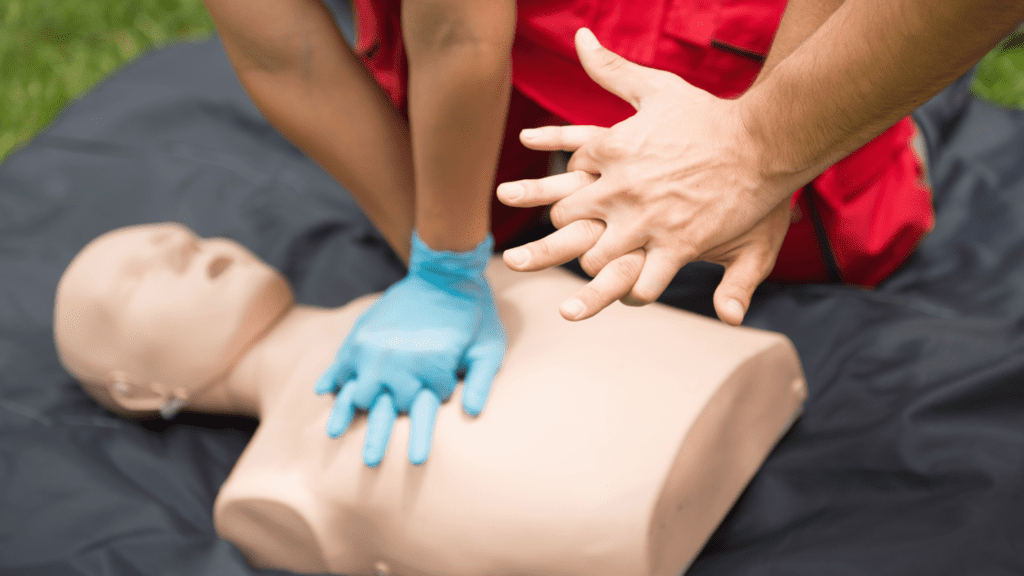
Cold affects plastics and adhesives. Warming pads under manikins, gloves off for compression practice when safe, and a slightly longer first break to let gear normalize make the day smoother. If you teach on community center floors, bring thin rubber mats. They protect gear and knees, and they quiet the room, which helps when AED prompts need to be heard.
In bilingual regions and in classes with recent immigrants, language flexibility matters. Keep a second device with the app set to French or another language if supported. Better yet, run the first demo in one language and the second in the other. Learners hear the cadence twice and build comfort with both.
What changes when you teach advanced learners
Firefighters, paramedics in training, and in-house emergency response teams need more than basic feedback. They need to push performance to the high end of standards with minimal pauses and crisp teamwork. For those audiences, consider manikins that integrate with scenario software or allow you to simulate pulses, airway obstruction, and variable compliance. Add AED trainers that let you switch between shockable and non-shockable rhythms. Use data tracking to measure no-flow fraction across entire scenarios, not just compression quality in isolation.
In my experience, teams respond well to clear targets. Set a no-flow fraction goal under 20 percent across a five-minute cycle, benchmarked after the first run and reattempted after coaching. Teams learn to pre-stage AED pads, rotate compressors on a verbal cue, and communicate in short, useful phrases. The data turns subjective impressions into an actionable debrief.
Buying smart: questions to ask Canadian vendors
Canadian distribution affects availability, price, and service turnaround. Before you commit, ask where parts ship from, typical delivery times, and whether loaners are available if a unit fails mid-season. Clarify bilingual support in manuals and apps. If your organization requires specific documentation for procurement, request letters of volatility about data storage and privacy to smooth internal reviews.
Check compatibility between brands. Some programs mix manikins from one vendor with AED trainers from another, plus third-party apps. That can work, but test early. Adhesive pads vary and certain chest plastics do not like specific glues. The friction shows up when you replace pads mid-class and they refuse to stick.
Look at warranty fine print. A two-year warranty on electronics is common, with separate terms on the torso shell. Abuse clauses can be tricky in high-volume schools. Ask how accidental damage is handled. A local service partner in Canada, even if they ship parts from the US or Europe, shortens downtime.
The bottom line for CPR training manikins Canada programs
Technology will not replace the instructor’s eye and judgment, but it can take the guesswork out of practice and make scarce class time count. In blended programs that include AED training equipment Canada learners perform closer to standard when they practice with their eyes up, hands steady, and metrics that confirm what they feel. CPR instructor packages Canada buyers should look for bundles that simplify setup, respect bilingual realities, and keep data where it belongs. For organizations building broader readiness, emergency training equipment Canada options can round out scenarios without distracting from core skills. And for community groups and small businesses, practical CPR and first aid training kits deliver the essentials without burdening volunteers.
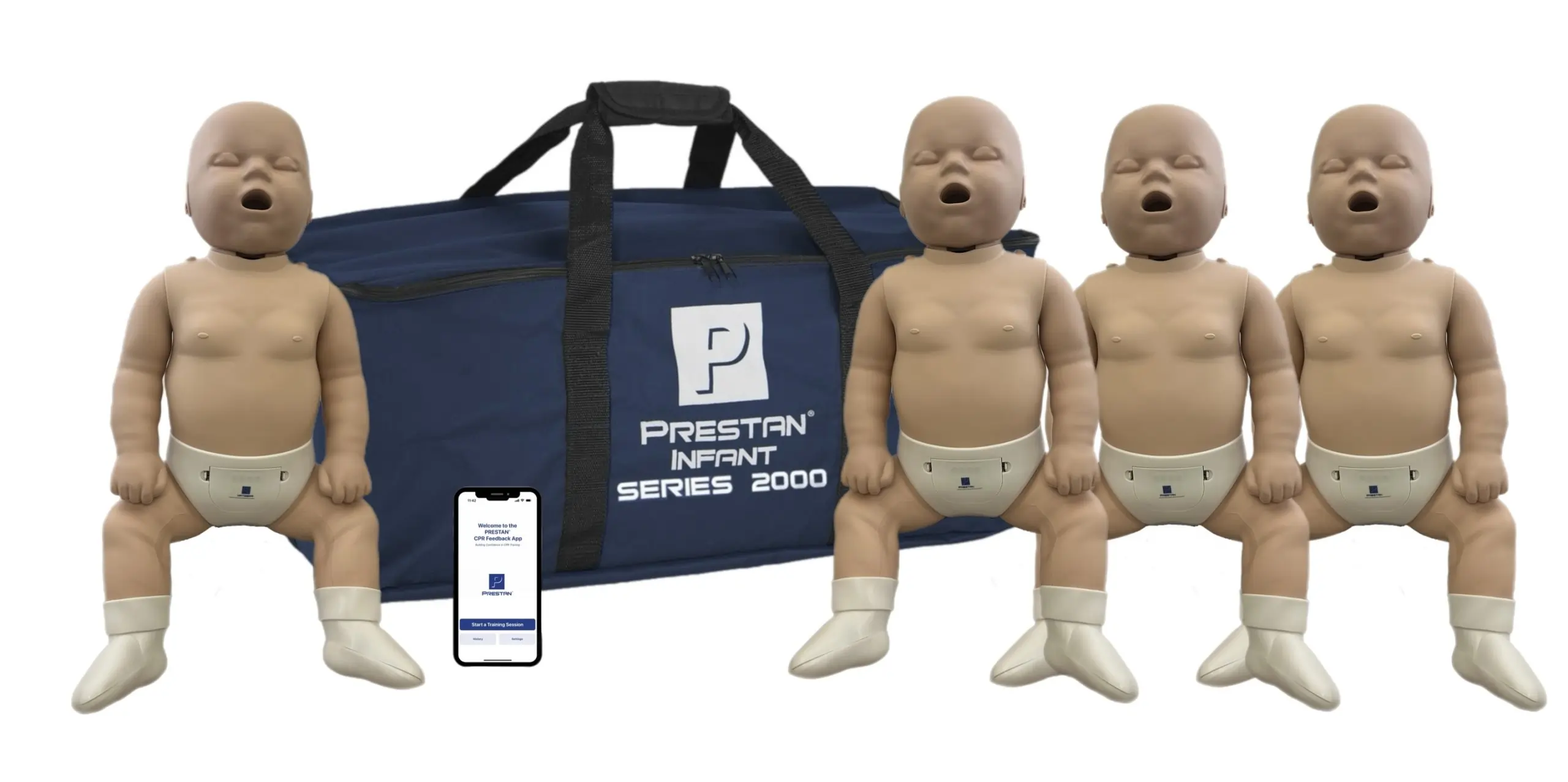
The Canadian landscape is large, the weather is stubborn, and classrooms are never identical. Choose gear that tolerates cold gyms and busy schedules, that runs offline when needed, and that speaks in both official languages. Then keep the focus on people, not devices. When a student’s hands find the right spot, compress to the right depth, and recoil cleanly, you do not need a graph to know you have done your job. The data simply helps you do it again, and do it better, across every class you teach.
CPR Depot Canada — Business Info (NAP)
Name: CPR Depot CanadaAddress: 340 Croft Dr, Tecumseh, ON N8N 2L9
Phone: +1-877-570-7322
Website: https://cpr-depot.ca/
Email: [email protected]
Hours:
Monday: 9:00 AM – 6:00 PM
Tuesday: 9:00 AM – 6:00 PM
Wednesday: 9:00 AM – 6:00 PM
Thursday: 9:00 AM – 6:00 PM
Friday: 9:00 AM – 6:00 PM
Saturday: Closed
Sunday: Closed
Open-location code (Plus Code): 8537+C8 Tecumseh, Ontario
Map/listing URL: https://www.google.com/maps/place/CPR+Depot/@42.3036,-82.8392601,17z/data=!3m1!4b1!4m6!3m5!1s0x883b2aedd5f271a1:0xfee6f8b7ab8f4110!8m2!3d42.3036!4d-82.8366852!16s%2Fg%2F1q6cff15h
Embed iframe:
Socials:
https://www.facebook.com/people/CPR-Depot-Inc/61575911496200/ https://www.instagram.com/cprdepotinc/ https://www.youtube.com/@CPRDepot
https://cpr-depot.ca/
CPR Depot Canada is a supplier of medical training products and related supplies serving customers across Canada.
The business is listed at 340 Croft Dr, Tecumseh, ON N8N 2L9.
To contact CPR Depot Canada, email [email protected] or call +1-877-570-7322.
Hours listed are Monday–Friday 9:00 AM–6:00 PM, with Saturday and Sunday closed.
For directions and listing details, use: https://www.google.com/maps/place/CPR+Depot/@42.3036,-82.8392601,17z/data=!3m1!4b1!4m6!3m5!1s0x883b2aedd5f271a1:0xfee6f8b7ab8f4110!8m2!3d42.3036!4d-82.8366852!16s%2Fg%2F1q6cff15h
Popular Questions About CPR Depot Canada
Where is CPR Depot Canada located?CPR Depot Canada is listed at 340 Croft Dr, Tecumseh, ON N8N 2L9.
What are the hours for CPR Depot Canada?
Hours listed: Monday–Friday 9:00 AM–6:00 PM; Saturday and Sunday closed.
What does CPR Depot Canada sell or provide?
CPR Depot Canada supplies medical and first aid training products and related equipment (product availability varies).
Do they ship across Canada?
The business markets to Canadian customers and operates as a Canada-wide supplier; confirm shipping options at checkout or by contacting [email protected].
How can I contact CPR Depot Canada?
Phone: +1-877-570-7322
Email: [email protected]
Website: https://cpr-depot.ca/
Map: https://www.google.com/maps/place/CPR+Depot/@42.3036,-82.8392601,17z/data=!3m1!4b1!4m6!3m5!1s0x883b2aedd5f271a1:0xfee6f8b7ab8f4110!8m2!3d42.3036!4d-82.8366852!16s%2Fg%2F1q6cff15h
Landmarks Near Tecumseh, ON
1) Tecumseh Town Hall2) Lacasse Park
3) Lakewood Park
4) WFCU Centre (Windsor)
5) Devonshire Mall (Windsor)